If you've been thinking about solar panel installation but haven't gone ahead with it yet or are feeling apprehensive, we’re here to help you put your concerns aside.
Now is the ideal time to get solar. Late winter and early spring solar installations mean the weather is mild enough to not interfere with work and allows you to have your solar ready for peak summer generation. With unstable energy prices and growing financial concerns for everyone, solar power is becoming more and more popular with households seeking greater independence from the national grid to protect themselves from price fluctuations. As solar panel technology advances, it becomes cheaper and more accessible, meaning more homes can benefit from solar power.
In this blog, we’ll break down the benefits of solar panels, how much solar could help you save, and how we can help you get started with our solar installation packages.


How Much Money Can Solar Panels Actually Save You?
This is the main thing everyone wants to know about solar energy – how much will I actually save? It can be hard to determine exactly how much your home could save with solar, because it depends on a range of factors such as the size of your home and the number of occupants, your devices, the number of panels, and the type of panels you’re using, plus any other technology integrated with the system.
Solar panels generate electricity during daylight hours, which you use instead of buying it from the grid. Every kilowatt-hour your panels produce is energy you're not paying for. With electricity prices hovering above 20p per kWh, those savings add up fast. Over the 25-30 year lifespan of a solar panel system, that could be thousands of pounds in savings.
In addition to using the energy you produce for your home, any excess electricity you generate doesn't go to waste – you can export it back to the grid through the Smart Export Guarantee (SEG) and get paid for it. It's not a huge amount, but it’s extra money you can have paid to you via direct debit or taken off your bill. SEG rates vary between providers, so it’s worth shopping around to find the best deals.
If you also add in other renewable energy systems such as an air source heat pump or an electric vehicle charger, you can use your solar energy to power your heating and your car, reducing your outgoing costs even further.
What Are the Benefits of Solar Panel Installation?
Beyond the financial savings, solar panel installation offers more benefits such as:
- Energy independence – Which means that when energy prices spike or there's uncertainty in the market, you're more protected because you're generating your own power, making your home less vulnerable to price fluctuations and supply issues.
- Your carbon footprint shrinks - A typical home solar panel system offsets more than a tonne of CO₂ per year in an average household.
- Property value increases - Homes with solar installations typically sell for more than comparable properties without them. Solar panels make homes more desirable, because buyers recognise the value of lower household running costs. You can further increase the marketability of your home with eco systems such as a solar storage battery or an air source heat pump.
Solar also helps with future-proofing your home. With the UK government confirming that the sale of new petrol and diesel cars will be phased out in the next few years (with full zero-emission requirements by 2035), electric vehicles are becoming the norm. If you're planning to own an EV in the next decade – and if the government plans go ahead, you probably will – having solar panels means you can charge your car practically for free using your own generated electricity.
When Is the Best Time to Book Solar Panel Installation?
The ideal time to book a solar panel installation is around early spring, it means the weather is mild enough for work to take place without weather interruptions, and you’ll have everything done in time for peak solar generation in summer.
Solar panel installation takes 4-8 weeks from booking to completion. If you book now in February or March, your system will be up and running by April or May.
Spring and summer are when solar panels hit peak performance. Between April and September, you'll generate most of your annual electricity production. The longer days, higher sun angles, and (usually) clearer skies mean your panels are working at maximum efficiency.
Why Should You Add Battery Storage to Your Solar System?
Solar panels alone will help you reduce your energy bills, but a solar battery can increase those savings even more.
With battery storage, you capture excess solar generation during the day and use it at night. Meaning your nighttime energy use can still be powered by solar even when the sun is gone. This boosts your energy independence, and you might end up only buying a fraction from the grid.
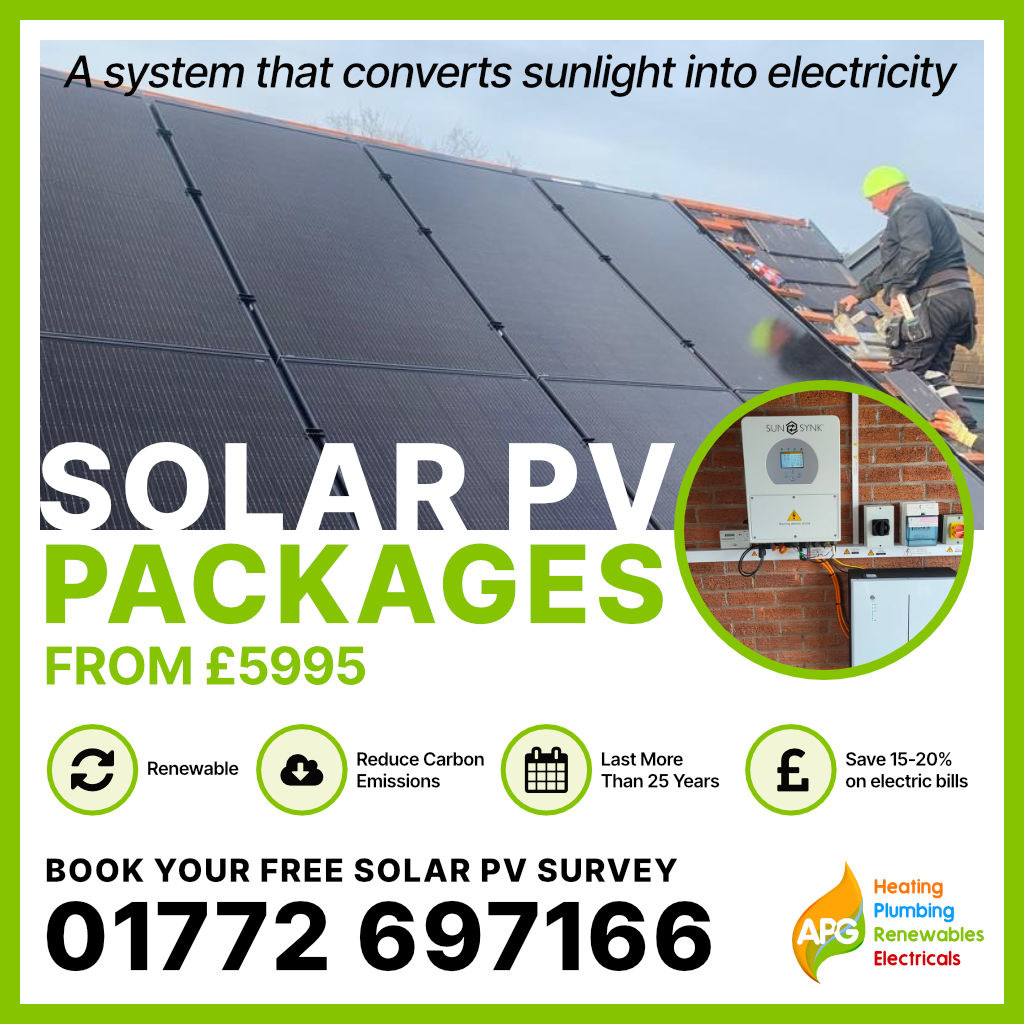
Our home solar packages with batteries start from just £8,495 for a complete setup with everything you need, including:
- 10 x 455w Aiko solar panels
- A SunSync Hybrid inverter (which converts your solar power to the right current for your home)
- SunSync battery storage
- Mounting included
- Warranty included
We also offer the Tesla Powerwall 3 which offers increased capacity and has an inverter integrated into the design, plus it can be coupled with other Tesla Powerwall 3 units to increase the size to meet your home capacity.
How Does the Smart Export Guarantee Work?
You can also get paid for your extra solar generation under The Smart Export Guarantee (SEG). Once your solar battery is charged, any solar you don’t use gets sent back to the grid, who will pay you for your excess solar either as a direct debit payment or as credit on your bill. Once your solar panels are installed and registered, you need to sign up with a SEG provider – this may be different to your energy supplier.
Is Solar Panel Installation Right for Your Home?
Solar works brilliantly across Preston, Blackpool, Leyland, and the surrounding areas, even with our gloomy weather. We may not be the Costa Del Sol, but we get enough light to make solar power effective. Modern solar panels are incredibly efficient, generating electricity from UV rays (daylight), not just direct sunshine, meaning even cloudy and rainy days will still produce some solar power.
The key factors for efficient solar generation are roof orientation and space, which influences the number of panels you can have. South-facing roofs are the best, but even east or west-facing roofs will work.
Ready to Make the Switch to Solar?
With spring approaching fast, now's the best time to get your solar installation booked so you can start generating solar in time for summer.
Our team covers Preston, Blackpool, Leyland, Chorley, Garstang, Lytham, and throughout the North West. We handle everything from initial survey through to installation, and our solar packages make the whole process simple and straightforward with transparent pricing.
Get in touch today to discuss your solar options and book your free home assessment.
Arrange your free renewable energy survey
Or call APG Domestic Services on 01772 697166 to book your free survey.
Frequently Asked Questions About Solar Panel Installation
From initial consultation to completed installation typically takes 4-8 weeks. The actual installation day usually takes 1-2 days depending on system size, but you'll need to factor in time for surveys, equipment ordering, and scheduling. Booking in late spring means you'll usually be up and running before summer.
Yes, absolutely. Solar panels generate electricity from daylight, not just direct sunshine. Even on overcast days, your panels will produce power – just at a reduced rate compared to bright sunny days. Modern solar panels have been designed to work even in British weather and operate more efficiently in the cold!
Solar panels are very low maintenance. The rain will naturally clean your panels, though you might want to give them a gentle rinse once or twice a year if you're in an area with lots of dust or pollen. We recommend an occasional solar survey with one of our qualified solar engineers, but panels are designed to need very little.
Yes, you can charge your EV or hybrid vehicle with solar power. With the UK phasing out new petrol and diesel cars by 2030, most people are likely to have an electric vehicle in the future. Solar panels let you charge your EV practically for free, so it's a good idea to install your solar and EV charging now before the technology is in high demand.
For most homeowners, battery storage is worth it, especially if you use most of your electricity in evenings around normal working hours. Solar battery storage allows you to use your solar power at night and in evenings after work when energy from the grid is most expensive. While a solar battery adds to the upfront cost of installation, it’ll save you more money in the long-term.
